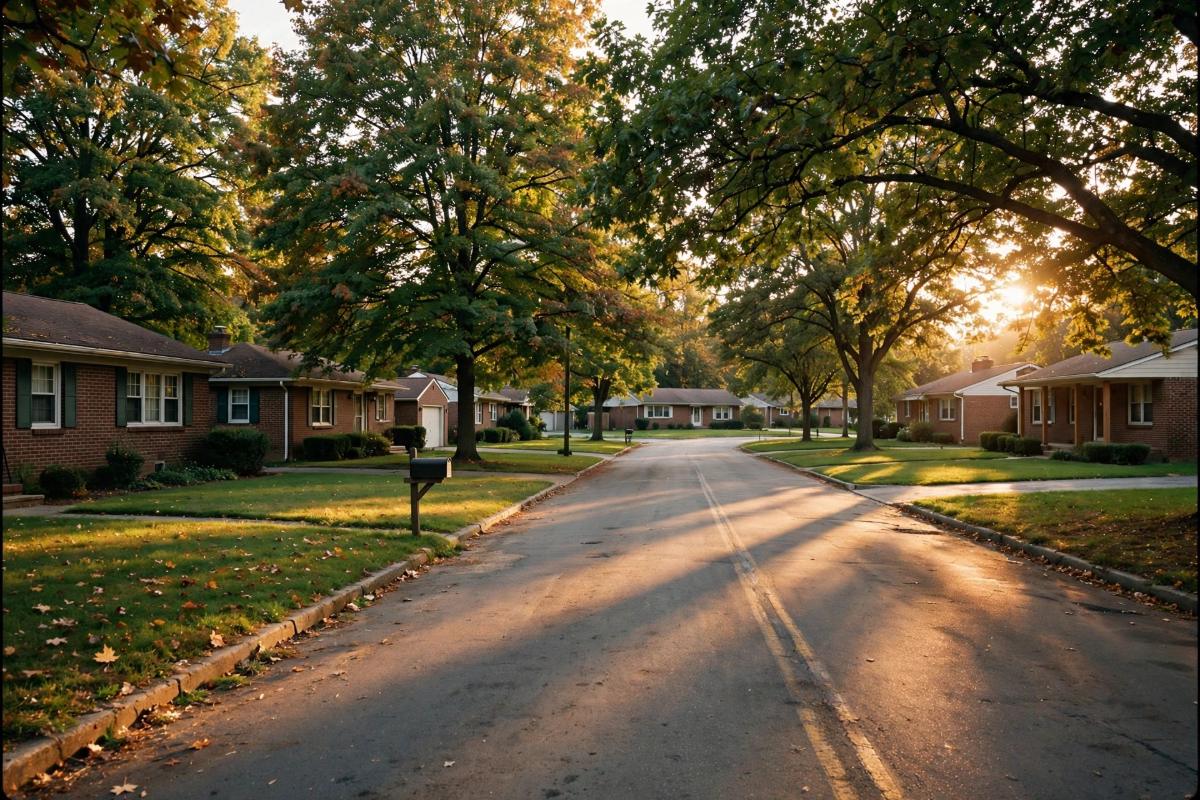
 Longer suburban runs, traced and fixed by local pros
Water line replacement Penn Township homeowners call about looks different from borough work: the houses sit farther back, the lots are wider, and the pipe travels farther from curb to house. A leak on one of these runs shows up as a soft stripe across the lawn or a bill that climbs for no clear reason. Manheim Main Water Line Co. connects you with experienced local pros who know the east-side subdivisions, and calls are answered 24/7 at (223) 242-0393. If you need main water line repair or a full replacement, one call gets you a straight answer.
- Era1960s onward
- LayoutWider lots, longer runs
- ZIP17545
Calls are answered around the clock. Describe the soggy stripe, the climbing bill, or the fading pressure, and get a straight answer on next steps.
Water Service Line Penn Township: Long Runs and Mature Lawns
Penn Township's east side filled in from the 1960s onward: brick ranch homes from the sixties and seventies on quiet streets, two-story colonials from the eighties and nineties, and newer development still going up on the remaining open ground. Cul-de-sacs are everywhere, and lots run noticeably wider than anything in the borough. Most homes have basements, and the water line enters through the foundation wall just like it does in town. ZIP code 17545 covers the township neighborhoods nearest Manheim.
The big difference is distance. A meter box sits at the curb, and the service line crosses a deep front lawn, sometimes under a driveway or landscaped bed, before reaching the house. Longer runs mean more pipe, more joints, and more ground that can shift. Where the line was trenched decades ago, the backfilled soil settles differently from the undisturbed ground around it, stressing the pipe along its whole length.
Mature landscaping is the other township signature. Trees planted when the subdivision was new are full grown now, and their roots travel along the old trench because the backfilled soil is easier digging than the ground around it. Add freeze-thaw working on long, shallow runs every winter, and the failure pattern is less about age alone and more about length, joints, and roots finding the easiest path. That length-driven pattern shapes every water line replacement Penn Township job.
Mention your subdivision and where the wet ground shows. The pro will explain what a visit involves before anyone heads your way.
Water Line Replacement Penn Township: What Usually Goes Wrong
Length multiplies every weakness. Each joint along a long run is a potential entry point for roots and a place where settling ground can work a seal loose. Where a previous owner spliced new pipe onto old, that transition becomes the first suspect when trouble starts. Mineral scale narrows older pipe from the inside, so pressure fades even before any leak appears, and weak spots in the wall turn into seeps that soak the trench for months. This is the failure pattern behind most township calls.
- A soft or soggy stripe across the lawn tracing the path from curb to house
- A water bill that climbs month after month with no change in use
- Pressure that fades when two fixtures run together
- A meter box at the curb that never fully dries out
- A hissing sound near the main shut-off with everything turned off
Winter adds its share. Long, shallow runs heave and settle with each freeze-thaw cycle, stressing rigid pipe along its whole length. Landscaping roots follow the loosened trench soil straight to the pipe. trenchless water line replacement suits many township lawns, pulling a new line along the old path without opening a trench across the whole yard.
A local pro will tell you honestly whether your run is a candidate, based on soil, path, and access at both ends.
Water Line Repair Penn Township: Walking the Run From Curb to House
The meter test comes first: with every tap closed, a creeping dial means water is escaping on your side. Then the technician walks the run from the meter box to the house, watching for the soft stripe that maps the old trench and feeling for ground that gives underfoot. Fittings and transitions get special attention, since a splice between old and new pipe is the most likely failure point on a township run. The private run to the house is usually yours and your water provider handles its own side; check with your water provider if the boundary is unclear.
Inside, the tech checks the entry point at the basement wall and takes a pressure reading at a hose bib to see whether the line is choked with scale. Then comes acoustic listening along the run to find the loudest point, which is where the leak lives. water line leak detection narrows the dig site dramatically on long runs, so the fix means one precise excavation instead of exploratory digging across the lawn, which is how technicians keep the disruption small.
What a Township Call Looks Like
You call
Answered 24/7. Describe the soggy stripe, the bill, or the pressure drop. No forms, no phone trees.
You talk it through
We connect you with an experienced independent local pro who knows township homes and asks the right questions about your run.
The walk and the tests
Meter test first, then a walk of the run from curb to house, a pressure check, and listening for the leak. Findings come before any work talk.
Plain pricing, then work
Upfront pricing explained before work begins, with no hidden fees. The completed work carries a workmanship guarantee.
Done and restored
The line is repaired or replaced, the ground is put back, and the tech walks you through what was done and answers your questions.
Same-day and emergency dispatch where available. The sooner the leak is found, the less ground it soaks.
Next Door: The Borough and Rapho Township
In the borough itself, water line replacement in Manheim Borough covers the older streets around the square, and water line replacement in Rapho Township serves the western edge. Everything connects through main water line manheim, the home page for all services and areas.
Common questions
It means more pipe and more joints, which gives trouble more places to start, but the process is the same: find the leak, expose it, fix it. Longer runs are routine for township technicians, and trenchless methods can spare a deep front lawn the open trench.
That stripe is the trench path, and it tells the tech exactly where to look first. Water follows the loosened backfill along the old trench, so the surface pattern maps the pipe below. It usually means the leak sits somewhere along that path rather than at the house or the curb, which keeps the search short.
Yes. The line can be rerouted around the driveway or pulled through trenchlessly beneath it, depending on depth and access. The technician will look at the layout and explain which approach disturbs the least. Driveway crossings are routine township work.
It starts with the meter test to confirm the leak is on your side, then acoustic listening along the run to find the loudest point. On long runs this narrows the dig site dramatically. The goal is one precise excavation instead of exploratory digging across the lawn.
Technicians plan the work around plantings wherever they can, and trenchless options exist precisely to spare lawns and beds. Some disturbance near the access points is normal. Ask about restoration when you call.
Pressure can vary with neighborhood demand, but a line choked with mineral scale makes the drop worse because the pipe cannot carry enough flow at peak times. The technician checks pressure at the hose bib and compares it with what the line should deliver. If the line is the bottleneck, repair or replacement solves it.
If water is escaping, shut your main valve first. Take a photo of your meter dial, stay off the soft ground so it does not get worse, and do not dig: hitting the line or a buried utility makes everything harder. Note when you first saw the symptom so you can describe the timeline on the call.
Usually the homeowner is responsible for the private side, from the meter, curb stop, or property line to the house, while the provider handles its own side. The dividing point varies by property, so check with your water provider if you are unsure. The technician confirms which section the trouble sits in during the first visit.
Water Line Replacement Penn Township Starts With One Call
Long runs, root-packed joints, and soggy stripes do not fix themselves. Call (223) 242-0393, answered 24/7, and we will connect you with an experienced local pro. Water line replacement Penn Township homeowners trust begins with that first conversation.
Get your township line checked todayUpfront pricing before work begins. No hidden fees, and straight answers on the phone.